Meeting Surging Infrastructure Demands with Advanced Storage Solutions and High-Performance Fabrication
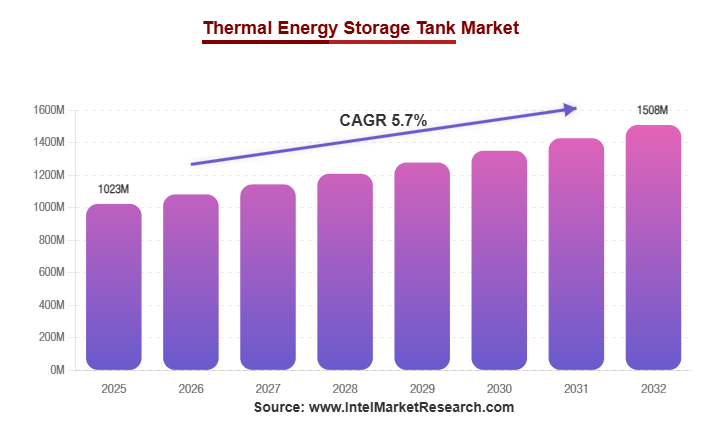
The global energy transition and rapid growth of data infrastructure are driving unprecedented demand for thermal energy storage (TES) systems and stainless steel fabrication. TES tanks, once considered niche components, are now becoming essential infrastructure in modern energy and HVAC systems. According to recent market analysis, the global thermal energy storage tank market was valued at approximately $1.02 billion in 2025 and is projected to reach $1.54 billion by 2034, reflecting steady long-term growth fueled by renewable energy integration and industrial expansion (Intel Market Research). At the same time, U.S. demand for TES materials alone is expected to grow more than 40% by 2030, underscoring how quickly adoption is accelerating (Fact.MR).
A major driver behind this surge is the explosive growth of data centers, particularly those supporting artificial intelligence and cloud computing. Electricity demand from data centers is projected to double by 2030, with some forecasts indicating a 16% increase as early as 2025 (Gartner). In the United States, power consumption from large computing facilities has already reversed years of stagnant demand, growing steadily since 2020 (Reuters). Analysts note that data centers could account for a significant portion of global electricity consumption growth this decade, placing enormous pressure on utilities and infrastructure systems (DataCenterKnowledge). This rapid expansion is forcing operators to seek new ways to manage peak loads and cooling requirements, where TES systems play a critical role.
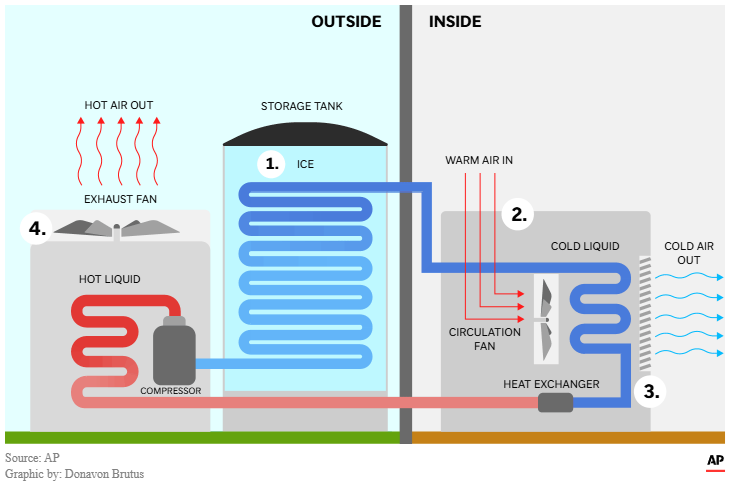
Thermal energy storage technologies, including chilled water and ice-based systems, are increasingly being deployed to shift energy use and reduce strain on electrical grids. Facilities such as hospitals and large commercial buildings are already leveraging “ice battery” systems that freeze water during off-peak hours and use it for cooling during peak demand periods. These systems can significantly reduce electricity usage and operational costs while improving reliability, making them particularly attractive for energy-intensive environments like data centers (AP News). As renewable energy sources such as solar and wind continue to expand, TES tanks are also becoming essential for balancing intermittent power generation with real-time demand.
Parallel to the rise in TES systems is a sharp increase in demand for stainless steel and advanced fabrication capabilities. The expansion of data centers, energy infrastructure, and industrial projects is reshaping steel consumption patterns, with fabrication shops facing growing pressure to deliver larger, more complex, and higher-quality vessels. Industry reports highlight that AI-driven data center growth is already driving “staggering demand for steel,” particularly as companies pursue more sustainable and durable materials for long-term infrastructure (Design World Online). Stainless steel, in particular, is gaining traction due to its corrosion resistance, longevity, and suitability for high-purity and high-performance applications.
Looking ahead, the convergence of electrification, digital infrastructure, and decarbonization is expected to further accelerate demand for TES tanks and stainless steel fabrication. Utilities are preparing for massive increases in load capacity, with projections of tens of gigawatts of new demand coming online in the next decade (DataCenterDynamics). As industries race to meet these requirements, manufacturers and fabricators are scaling operations and investing in new technologies to keep pace. The result is a rapidly evolving market where TES systems and stainless steel vessels are no longer optional components, but critical assets in the infrastructure supporting the modern energy economy.